Перейти к содержимому
Меню
olgachuchalova.com
  • Hogar
  • Blog
  • Video
  • Bocetos
  • Pinturas
  • Contactos
  • Encargar un retrato
olgachuchalova.com

Dibujar con carboncillo y pinturas: comparación y características.

Опубликовано в

El arte del dibujo abre muchas posibilidades de autoexpresión y creatividad para el artista. El dibujo al carbón y a la pintura son dos enfoques diferentes, cada uno con sus propias características y métodos de expresión únicos. Veamos cuáles son las principales diferencias entre estas dos técnicas.

Carbón: expresividad y profundidad en blanco y negro
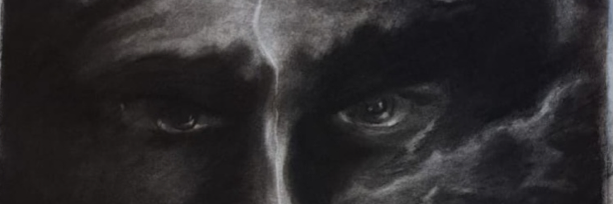
El dibujo al carboncillo a menudo se asocia con tonos blancos y negros profundos, sombras expresivas y contrastes. Estas son algunas de las características del dibujo al carboncillo:

Expresivo: Charcoal permite al artista crear rápida y eficientemente imágenes expresivas en blanco y negro utilizando un material suave y fluido.
Profundidad y textura: los diseños en carboncillo suelen tener una textura rica y sombras profundas que añaden dimensión y realismo a la imagen.
Libertad y Suavidad: El dibujo al carboncillo suele asociarse a una gran libertad de expresión y a la capacidad de corregir errores fácilmente debido a la suavidad del material.

Pinturas: variedad de colores y complejidad técnica.
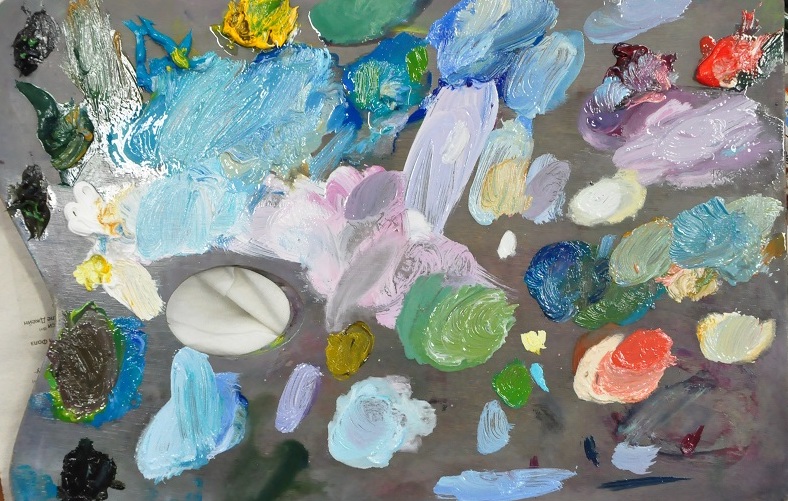
Painting with paints differs from drawing with charcoal in many aspects, offering unique opportunities and challenges for artists. Here’s an exploration of these differences and the common ground between the two mediums.

Color Diversity

  • Paints: They allow an artist to explore with color, shades, and saturation, creating a rich and vibrant palette. This color diversity enables the depiction of real-life scenes with more accuracy or the expression of emotions and abstract concepts through color.
  • Charcoal: Offers a monochromatic palette, focusing on shades of black, white, and grey. This limitation can enhance the artist’s ability to focus on form, light, and shadow, often leading to dramatic and powerful imagery.

Technical Complexity

  • Paints: Working with paints requires careful preparation and control over the medium. Artists must consider aspects such as mixing colors, working with different brushes, and understanding textures. The fluid nature of paint also allows for a variety of techniques such as blending, layering, and glazing.
  • Charcoal: Drawing with charcoal can be simpler in terms of material preparation but demands mastery in shading, pressure control, and textural effects. Charcoal can be both forgiving and challenging, as it allows for easy corrections but requires skill to prevent smudging and to achieve desired contrasts.

Drying Time and Fixation

  • Paints: They involve time constraints due to the need for drying. Different types of paint (oil, acrylic, watercolor) have varying drying times, affecting the work process. Additionally, paintings often require protection and fixation through varnishes or other mediums.
  • Charcoal: Charcoal drawings also require fixation to prevent smudging, usually through the application of a fixative spray. However, the absence of drying time allows artists to work more spontaneously.

Common Traits and Individual Style

Despite their differences, both charcoal drawing and painting with paints offer unique opportunities for self-expression and creativity. Artists often utilize these mediums to create diverse and beautiful works of art, and many combine these techniques to achieve desired effects.

Ultimately, the choice between drawing with charcoal and painting with paints depends on the artist’s preferences, style, and the theme of the work. Both techniques open up a fascinating world of art where everyone can find their unique voice and express their individuality through creativity. Whether embracing the vividness and versatility of paint or the dramatic intensity and simplicity of charcoal, artists can explore and convey a wide range of visual narratives and emotional depths.

Рубрики

©2026 olgachuchalova.com | WordPress Тема от Superb WordPress Themes